
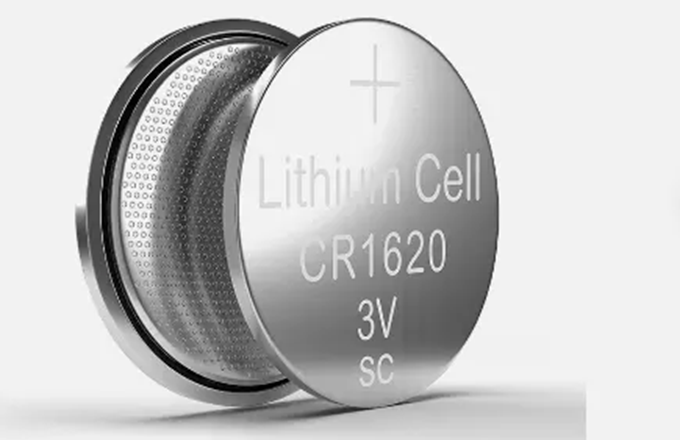
AG3 Battery Guide: Overview & Usage
The AG3 battery, also known by its other designations such as LR41 or 192, is a small, alkaline button cell commonly used in a variety of devices. This battery is widely recognized for its compact size and reliable performance, which makes it suitable for powering small electronic devices like watches, calculators, toys, medical devices, and hearing aids.
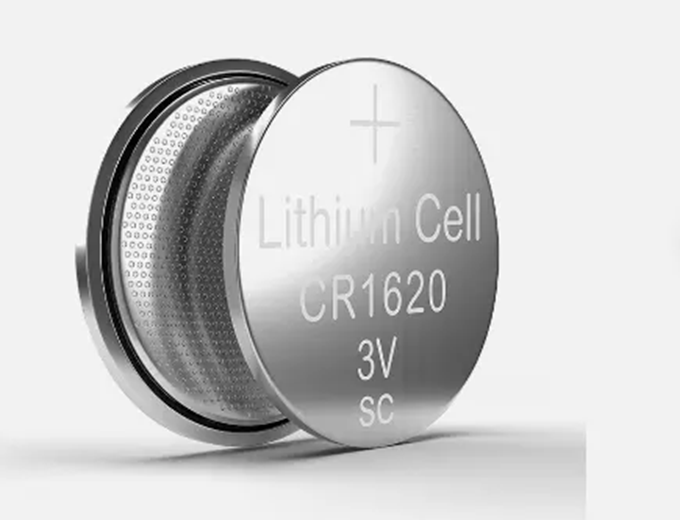
AG3 battery
In this comprehensive guide, we will explore the key features of the AG3 battery, how it works, its uses, its specifications, and important factors to consider when replacing or disposing of these batteries.
What is an AG3 Battery?
The AG3 battery is a small, 1.5V alkaline button cell battery with a nominal diameter of approximately 7.9mm and a height of 3.6mm. It is often used as a low-power source for devices that require long-lasting energy in a compact form.
AG3 is sometimes referred to by other names like:
•LR41: The “LR” designation indicates that the battery is an alkaline type.
•LR736: A less common code for this battery.
•AG13, 392, 384: These are other battery codes that may be used interchangeably depending on the manufacturer or regional preferences.
Chemical Composition
The AG3 battery is typically made from alkaline chemistry, which offers a stable voltage over time, a relatively high energy density, and a reasonable cost. The alkaline solution inside the battery allows it to provide energy by undergoing a chemical reaction between zinc and manganese dioxide (MnO₂), with potassium hydroxide (KOH) acting as the electrolyte.
The chemical reaction inside the AG3 battery generates electrical energy, which powers the device it is placed in. One of the benefits of the alkaline chemistry used in AG3 batteries is that it has a relatively stable discharge profile, which means the voltage stays steady for a considerable period before it begins to drop sharply.
AG3 Battery Specifications
Here’s an overview of the key specifications for the AG3 battery:
| Specification | Details |
| Battery Type | Alkaline button cell |
| Nominal Voltage | 1.5V |
| Diameter | 7.9 mm |
| Height | 3.6 mm |
| Weight | 0.85 grams |
| Capacity | ~140 mAh |
| Shelf Life | Up to 3 years |
| Operating Temperature | -20°C to 60°C |
•Voltage: 1.5V, which is standard for most small alkaline batteries.
•Capacity: Typically around 140 mAh, which refers to how much charge the battery can store and provide over time.
•Shelf Life: AG3 batteries can last up to 3 years when stored in proper conditions before they start losing their charge.
•Temperature Range: These batteries work well within a broad temperature range of -20°C to 60°C, though performance may degrade outside this range.
Applications of the AG3 Battery
The AG3 battery is used in numerous applications due to its small size and sufficient power output for low-energy devices. Here are some common uses:
Watches:
AG3 batteries are frequently used in small, digital, and analog watches. Their compact size and long shelf life make them ideal for keeping timepieces ticking for extended periods.
Calculators:
Many pocket calculators, especially basic models, rely on AG3 batteries to keep them functional. Since calculators don’t draw large amounts of power, the AG3’s energy capacity is more than enough for such devices.
Toys:
Small toys, such as electronic games, light-up toys, and remote-controlled cars, often use AG3 batteries to power their functions. The battery’s small size fits well into toy designs.
Hearing Aids:
Some hearing aids, particularly older or more affordable models, may use AG3 batteries. These batteries provide a stable, long-lasting power source for hearing aid devices, ensuring that users can rely on them throughout the day.
Other Small Electronics:
The AG3 is also found in a variety of smaller devices, including digital thermometers, glucose meters, laser pointers, and remote controls.
How to Replace an AG3 Battery
If you need to replace an AG3 battery, it’s a straightforward process. Here are the steps:
1.Turn off the Device: Before replacing the battery, always ensure the device is powered off to avoid any electrical issues.
2.Open the Battery Compartment: Most devices that use AG3 batteries will have a small compartment that can be opened with a coin, small screwdriver, or latch.
3.Remove the Old Battery: Once the compartment is open, carefully remove the old AG3 battery. It should come out easily, but you may need to gently pry it out with a small tool.
4.Insert the New Battery: Place the new AG3 battery into the compartment, ensuring the positive (+) and negative (-) terminals match the device’s polarity requirements.
5.Close the Compartment: Once the battery is securely in place, close the compartment and power the device back on to check if it’s working correctly.
Important Considerations When Using AG3 Batteries
Battery Life:
While AG3 batteries generally have a long shelf life (up to 3 years), their actual operational life depends on the power consumption of the device they are powering. Devices with low energy needs (like a basic watch) may last much longer than devices with higher energy consumption (like a toy with lights and sounds).
Compatibility:
Always make sure the battery you’re replacing is compatible with your device. AG3 is widely used, but other similar-sized batteries (like AG13, LR41, 392) may also work in some devices, so always check the manufacturer’s instructions.
Storage:
If you are storing AG3 batteries for future use, keep them in a cool, dry place, and avoid exposing them to extreme temperatures or humidity. High temperatures can cause the battery to leak, while extreme cold can cause it to discharge more rapidly.
Disposal:
It’s important to dispose of AG3 batteries properly, as they contain chemicals that can harm the environment. Many localities offer battery recycling programs, so be sure to find the correct disposal options in your area. Never dispose of batteries in the trash, as they can leak hazardous substances into the environment.
Common Problems with AG3 Batteries
Despite their reliability, AG3 batteries may encounter certain issues during use:
Battery Leakage:
One of the most common problems with any battery, including the AG3, is leakage. If the battery is stored for too long or exposed to extreme temperatures, it may leak its chemicals, causing damage to the device and making the battery unusable.
Short Battery Life:
If you notice that an AG3 battery is not lasting as long as expected, it may be due to high energy drain from the device, a faulty battery, or exposure to extreme conditions. Always ensure you’re using fresh, quality batteries from reputable manufacturers.
Conclusion
The AG3 battery is a popular and widely used alkaline button cell that powers a variety of small electronic devices. With a nominal voltage of 1.5V and a compact size, it is ideal for low-power applications. Understanding its features, how to replace it, and its potential issues ensures that you can make the most out of this small but reliable power source.
Whether you’re using it for a wristwatch, a calculator, or a hearing aid, the AG3 battery offers convenience and dependability, ensuring that your devices run smoothly for a long time.
Related Articles
MC145012 CMOS Smoke Detector IC – Features, Pin Functions, and Calibration